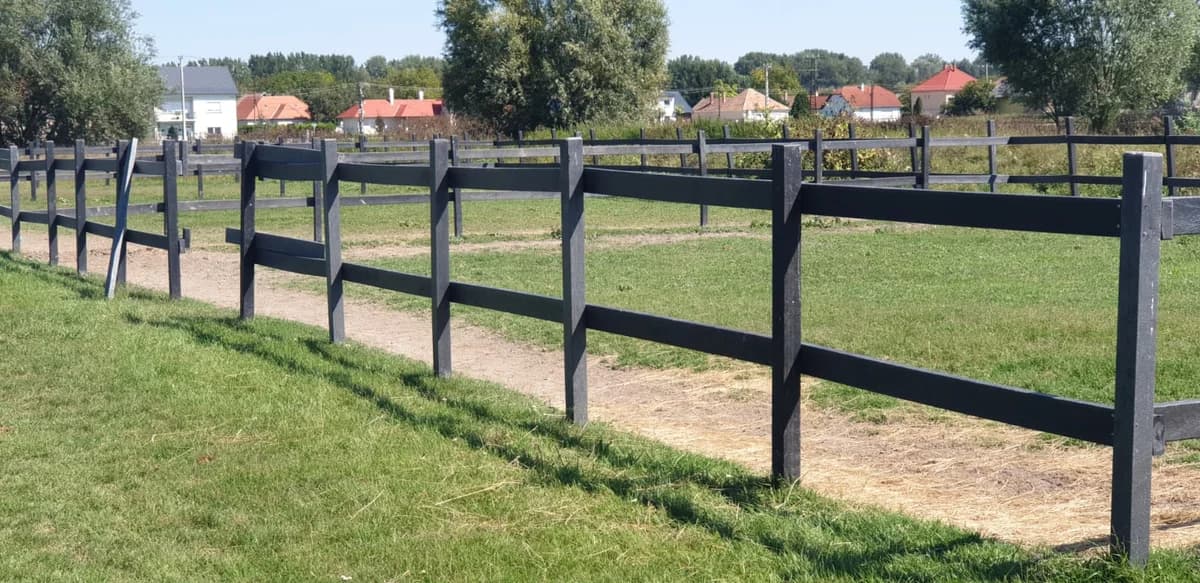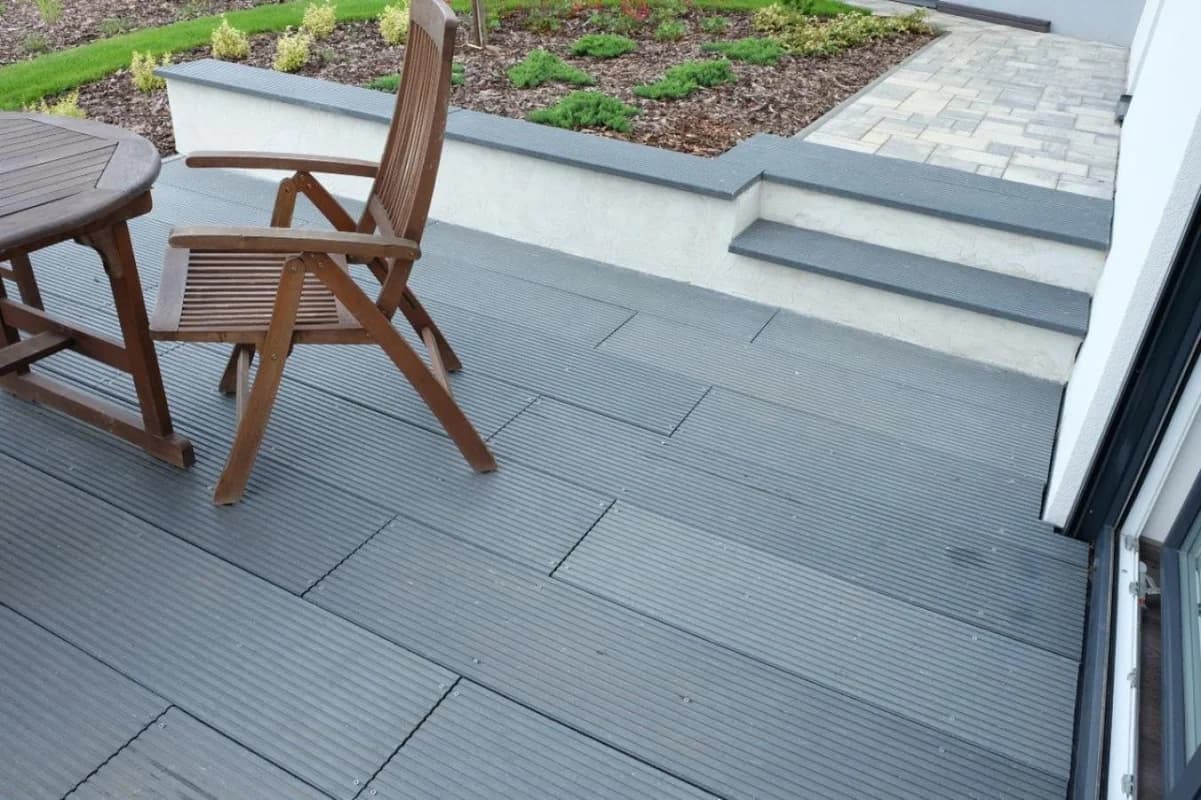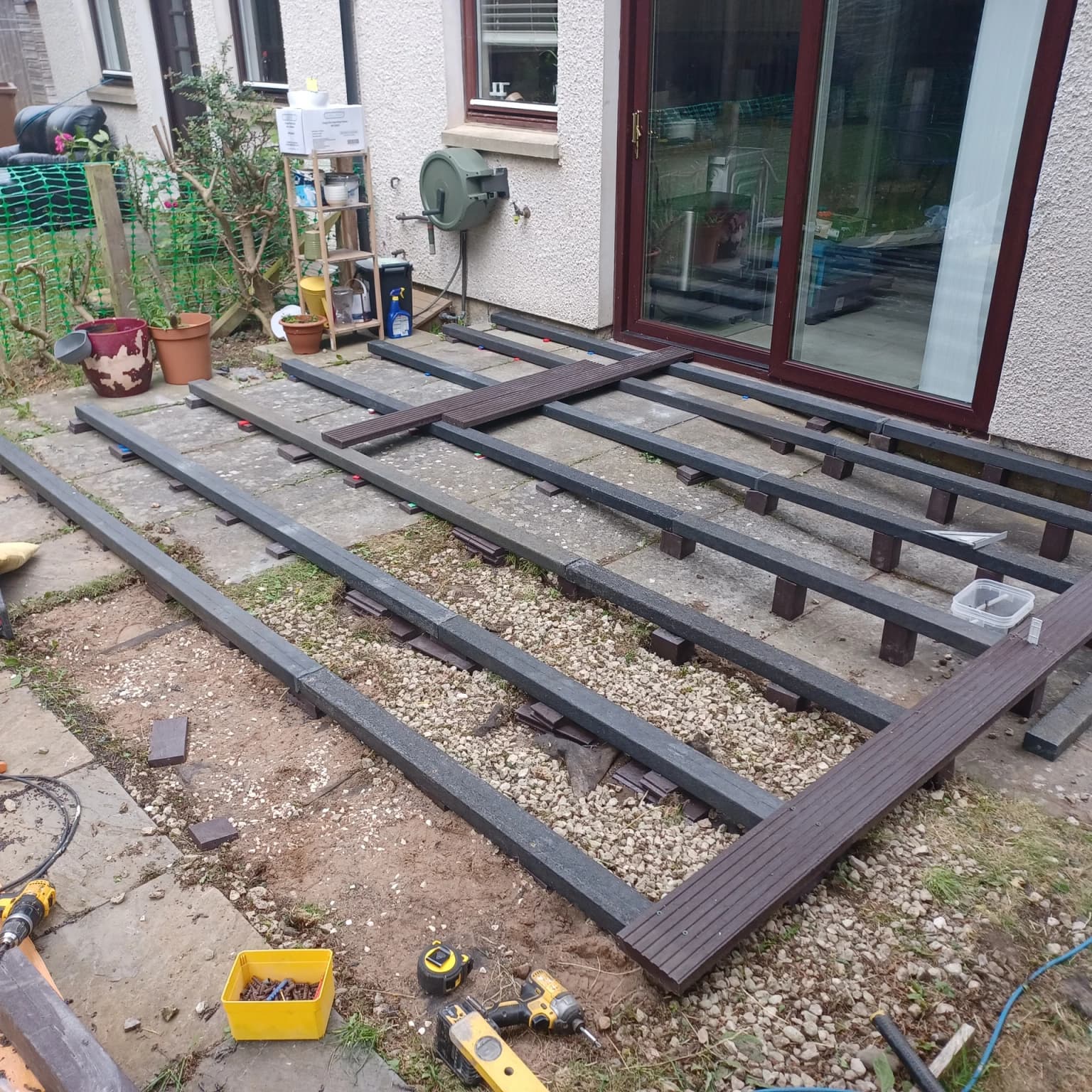
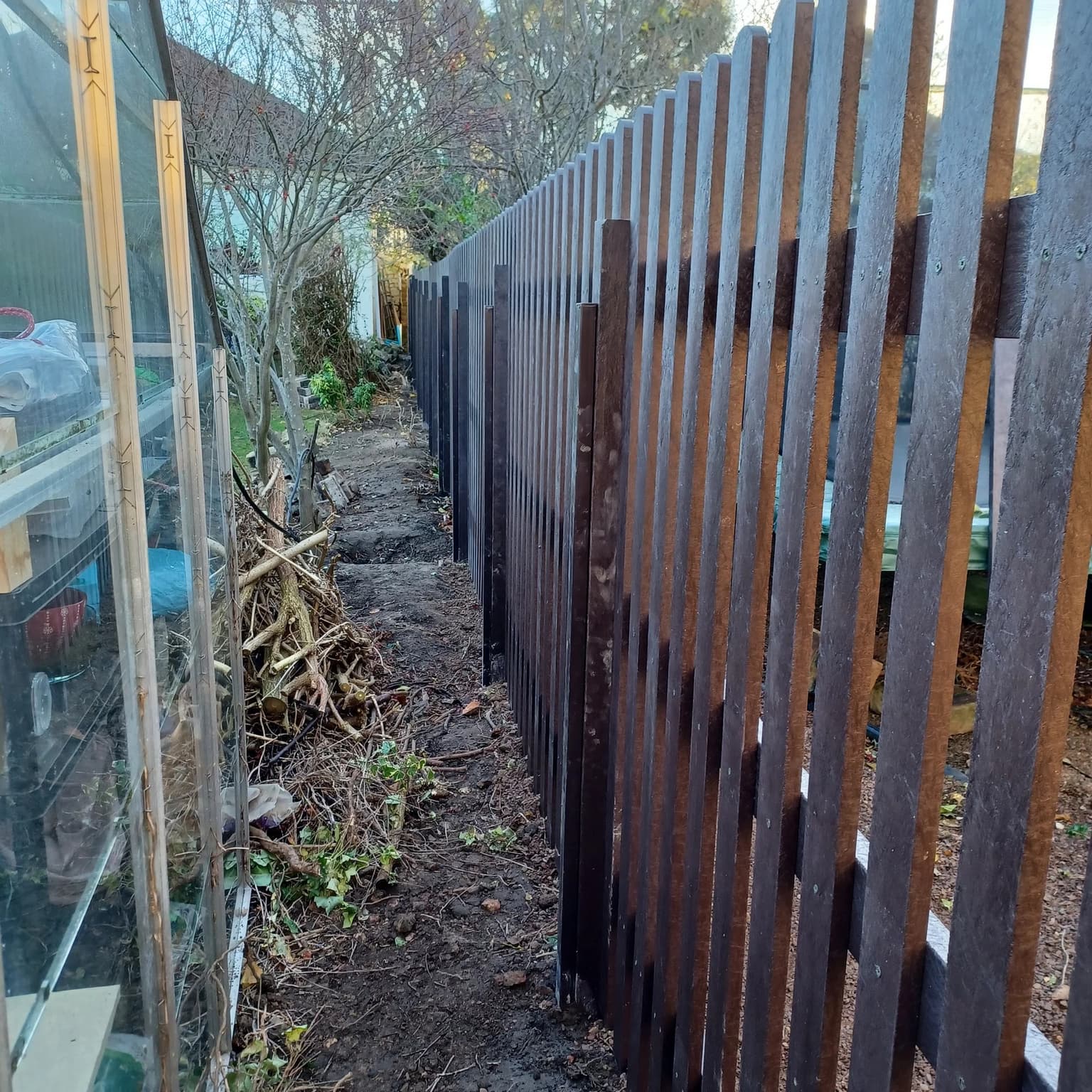
T&G Boards for Stables: Hygienic, Safe & Easy to Clean
When it comes to building or refurbishing stables, livestock enclosures, and animal housing, traditional timber has long been the go-to material. However, timber presents serious challenges in agricultural and equestrian environments—it absorbs moisture, harbours bacteria, splinters easily, and requires constant maintenance.
Recycled plastic tongue & groove (T&G) boards offer a revolutionary alternative. Manufactured from 100% recycled plastic, these boards provide a hygienic, durable, and maintenance-free solution that significantly outperforms timber in every critical area.
Why Timber Fails in Stable Environments
1. Moisture Absorption & Rot
Timber absorbs moisture from urine, water troughs, and high humidity. This leads to:
- Rot and decay within 5-10 years
- Structural weakening that compromises safety
- Mould growth that affects air quality
2. Bacterial Contamination
Wood's porous surface:
- Harbours bacteria even after cleaning
- Absorbs odours that persist indefinitely
- Cannot be properly disinfected with pressure washers
3. Maintenance Burden
Timber requires:
- Annual treatment with toxic preservatives
- Replacement of damaged boards every few years
- Constant monitoring for splinters and sharp edges
4. Safety Hazards
- Splinters can injure horses and livestock
- Loose boards create crush hazards
- Sharp edges from broken timber cause lacerations
How Recycled Plastic T&G Boards Solve These Problems
100% Waterproof & Rot-Proof
Unlike timber, recycled plastic T&G boards:
- Absorb zero moisture—no swelling, warping, or rot
- Maintain structural integrity in wet environments
- Perform flawlessly even in direct contact with urine and water
This ensures your stable walls remain solid and stable for 25+ years without degradation.
Hygienic & Easy to Clean
The smooth, non-porous surface of plastic T&G boards:
- Does not harbour bacteria—unlike timber's porous grain
- Can be pressure-washed with hot water and disinfectants
- Dries quickly without absorbing moisture
- Eliminates odours—no bacterial growth to cause smells
This makes stable hygiene dramatically easier to maintain, reducing disease risk and improving air quality for both animals and handlers.
Safe for Animals
Recycled plastic T&G boards provide:
- No splinters—completely smooth surface
- No sharp edges—remains consistent throughout lifespan
- Impact-resistant—won't break or crack when kicked
- Non-toxic—no chemical preservatives or harmful substances
Horses, cattle, and other livestock can safely lean against, rub, or even chew on plastic T&G boards without risk of injury or poisoning.
Zero Maintenance Required
Once installed, recycled plastic T&G boards require:
- No painting or staining
- No preservative treatments
- No replacement of rotted sections
- Just occasional washing—that's it
This dramatically reduces long-term costs and labour compared to timber.
Installation: Secure Tongue & Groove System
Interlocking Design
T&G boards feature:
- Tongue on one edge, groove on the other
- Tight fit that creates a solid, continuous wall
- No gaps for bedding or debris to accumulate
- Easy alignment during installation
Mounting Options
Can be installed:
- Horizontally for traditional stable walls
- Vertically for dividers and partitions
- On timber or steel frames
- With standard screws or fixings
The boards can be cut to length with standard woodworking tools, making installation straightforward for builders familiar with timber.
Ideal Applications for T&G Boards
1. Horse Stables
- Interior walls and partitions
- Kicking boards and lower wall protection
- Feed room and tack room walls
- Wash bay areas
2. Livestock Housing
- Cattle sheds and milking parlours
- Pig pens and farrowing houses
- Sheep housing and lambing pens
- Goat enclosures
3. Kennels & Catteries
- Interior walls for dog kennels
- Cat housing enclosures
- Grooming and wash areas
- Quarantine facilities
4. Agricultural Buildings
- Feed storage areas
- Equipment sheds with animal access
- Dairy facilities
- Veterinary treatment areas
Technical Specifications
| Property | Performance |
|---|---|
| Material | 100% recycled plastic (HDPE) |
| Thickness | 21mm - 32mm (various options) |
| Width | 132mm - 138mm |
| Length | 1200mm, 1500mm, custom available |
| Weight | Approximately 30% lighter than timber equivalent |
| Fire Rating | Self-extinguishing (does not support combustion) |
| Temperature Range | -20°C to +50°C (operational) |
| Load Bearing | High—suitable for structural applications |
| Lifespan | 25+ years guaranteed |
Cost Analysis: T&G Boards vs. Timber
Initial Investment
- Recycled plastic T&G: Higher upfront cost (approx. 2-3x timber)
- Timber T&G: Lower initial cost
10-Year Total Cost (based on a typical 40m² stable T&G installation — e.g. one 4-stall block)
Timber:
- Initial materials (40m² × £15/m²): £600
- Preservative treatments (£120/year): £1,200
- Replacement boards (rotted sections, Year 7–9): £200
- Labour for maintenance and repairs: £500
- Total over 10 years: £2,500
Recycled Plastic:
- Initial materials (40m² × £35/m²): £1,400
- Maintenance: £0
- Replacement: £0
- Total over 10 years: £1,400
Recycled plastic pays back its higher upfront cost by approximately Year 8.
25-Year Total Cost
Timber:
- Initial materials: £600
- Preservative treatments (£120/year × 25): £3,000
- Board replacements (Years 10, 18): £400
- Labour for maintenance and replacements: £1,100
- Total over 25 years: £5,100
Recycled Plastic:
- Initial materials: £1,400
- Maintenance: £0
- Total over 25 years: £1,400
Over 25 years, recycled plastic T&G boards save approximately £3,700 (73%) compared to timber when factoring in replacements, treatments, and labour.
Where Recycled Plastic T&G Boards Are Used in Practice
Horse Stables & Equestrian Centres
In horse stable environments, the hygienic surface and pressure-washability of recycled plastic T&G boards make them a practical replacement for timber kicking boards and wall linings. The primary operational benefits are the elimination of bacterial odour absorption (timber retains urine smell in its grain even after cleaning) and the removal of any risk of horses picking up splinters from degraded board edges. The material's impact resistance is also well-matched to equestrian use — horses can kick, rub, or lean against the boards without cracking or splintering them.
Livestock Housing & Dairy Facilities
In cattle sheds, milking parlours, and pig housing, the key advantage over timber is the ability to fully disinfect the wall surface. Timber cannot be properly sanitised — disinfectant penetrates the surface but bacteria survive in the grain structure. Recycled plastic T&G boards can be cleaned with high-pressure hot water and disinfectant without any absorption, making them particularly well-suited to facilities with regular biosecurity requirements or disease control protocols.
Kennels & Small Animal Housing
For dog kennels and cattery facilities, the non-porous surface prevents bacterial growth between cleaning cycles, eliminates odour retention, and provides a consistently hygienic environment. The absence of any chemical preservatives makes the material safe for direct animal contact — important in kennel environments where animals are in close proximity to wall surfaces for extended periods.
Environmental Benefits
Circular Economy
Each square metre of recycled plastic T&G boards:
- Diverts approximately 20kg of plastic waste from landfill
- Reduces demand for virgin plastic production
- 100% recyclable at end of life (25+ years)
Lower Carbon Footprint
Compared to timber:
- No deforestation required
- No chemical preservatives (no toxic runoff)
- Longer lifespan means fewer replacements (less embodied carbon)
Sustainable Farming
Using recycled plastic in agricultural buildings supports:
- UK sustainability targets
- Farm assurance schemes (e.g., Red Tractor)
- Environmental grant eligibility
Installation Guide: Step-by-Step
Tools Required
- Circular saw or handsaw
- Drill with wood/plastic bits
- Spirit level
- Tape measure
- Stainless steel screws
Step 1: Frame Preparation
- Ensure frame is level and structurally sound
- Timber or steel frames both work well
- Spacing: 400-600mm centres for horizontal boards
Step 2: Starting Board
- Install bottom board with groove facing down
- Fix securely with screws through face or into groove
- Check level carefully—this sets alignment for all boards above
Step 3: Subsequent Boards
- Insert tongue of next board into groove of previous board
- Tap gently with rubber mallet if needed for tight fit
- Fix through tongue or face (depending on preference)
- Continue upwards
Step 4: Top Board
- Measure and cut final board to fit
- Secure firmly—this board takes most impact
- Consider capping rail for finished look
Step 5: Finishing
- Check all fixings are flush (no protruding screw heads)
- Clean any installation dust or plastic shavings
- Boards are ready for immediate use — no coating, painting, or treatment required
Maintenance Schedule
Daily/Weekly
- Brush off loose bedding from walls
- Spot clean any manure or mud
Monthly
- Pressure wash with water or mild detergent
- Inspect fixings (rare—usually no issues)
Annually
- Deep clean with disinfectant
- Check alignment (minimal movement expected)
That's it. No painting, no rot treatment, no board replacements.
Frequently Asked Questions
Can horses chew plastic T&G boards?
While horses may nibble, recycled plastic is much harder than timber and non-toxic. Most horses lose interest quickly. For chronic chewers, metal capping can be added to edges.
Do plastic boards get slippery when wet?
No—the surface texture provides grip. However, they do not splinter or rot when wet, unlike timber.
Can I paint or stain plastic T&G boards?
Not necessary, but possible. Use plastic-specific paints. Most owners prefer the natural look as it stays clean-looking longer.
What colours are available?
Typically black, brown, and grey. Natural recycled plastic colour (varies slightly by batch) is also available.
Can I install them outdoors?
Yes—UV-stable formulations are available for outdoor use. Standard boards are primarily for indoor/covered applications.
Are they suitable for cold climates?
Yes—recycled plastic remains flexible and strong from -20°C to +50°C. No cracking in winter.
Compliance & Certifications
- UK Building Regulations compliant
- Fire safety standards (self-extinguishing)
- Animal welfare approved (non-toxic, splinter-free)
- Environmental certifications (recycled content verified)
Where to Buy & How to Order
Available Sizes
- 21mm × 132mm × 1200mm
- 28mm × 138mm × 1200mm / 1500mm
- 32mm × 132mm × 1200mm / 1500mm
- Custom lengths available (up to 3000mm)
Colours
- Black (most popular—hides dirt best)
- Brown (natural timber alternative)
- Grey (modern clean look)
Ordering
Contact Ezotrade for:
- Volume quotes (discounts for large projects)
- Technical advice on quantities needed
- Delivery options (nationwide UK)
- Installation services (optional—we can install)
Conclusion: The Smart Choice for Modern Stables
Recycled plastic T&G boards represent a significant advancement in stable and livestock housing construction. They eliminate the chronic problems of timber—rot, moisture damage, bacterial contamination, and maintenance burden—while providing a safer, cleaner, and longer-lasting solution.
For stable owners, farm managers, and equestrian facilities, the benefits are clear:
- ✅ 25+ year lifespan vs. 5-10 years for timber
- ✅ Hygienic & easy to clean—pressure washable
- ✅ Safe for animals—no splinters or toxins
- ✅ Zero maintenance—no treatments or replacements
- ✅ Lower total cost over building lifespan
- ✅ Environmentally responsible—100% recycled & recyclable
Invest in recycled plastic T&G boards and build stables that last a lifetime.
Keep Reading
- Agricultural Fencing with Recycled Plastic: Why UK Farmers Are Making the Switch
- Why Recycled Plastic Outlasts Timber: Durability, Moisture & Lifecycle Facts
- Installation Guide: How to Build with Recycled Plastic Lumber
Shop Related Products
Ready to upgrade your stables? Request a quote or contact our team for technical advice and pricing.